Home Compostable Rigid Packaging to explore by FluidSolids and Amcor
FluidSolids – Explore
The partnership connects FluidSolids’ material technology with Amcor’s packaging design, application development, testing, and manufacturing.
Together, they will evaluate compostable materials for specified consumer rigid packaging applications, focusing on performance, manufacturability, and scale-up.
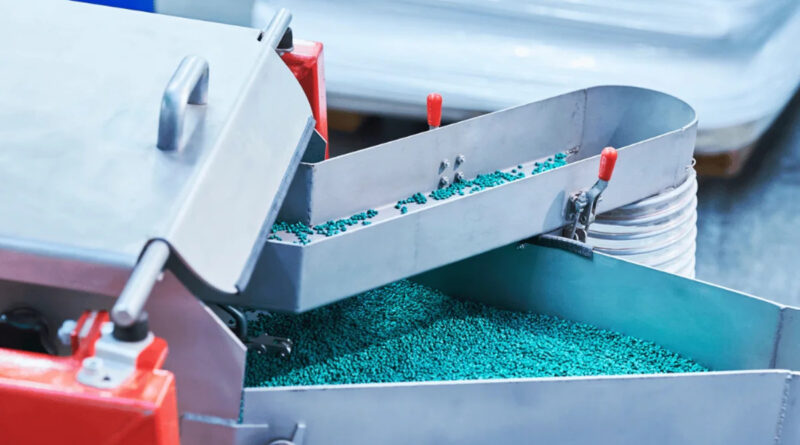
FluidSolids’ biocomposite forum utilizes cellulosic fiber waste, natural binders, and natural additives that are designed to break down under home-composting conditions, providing an additional end-of-life option for suitable applications where collection and recycling may not be practical.
Amcor and FluidSolids explore compostable rigid packaging
Three material grades are being evaluated for different application requirements, including Amcor and FluidSolids, which are exploring compostable rigid packaging.
One of the grades is also prepared for recycling in the paper-recycling stream. Paper recyclability is also being evaluated for the material grade, which is created to sustain both end-of-life pathways. Any application and corresponding claim will be subject to validation against the relevant technical, regulatory, certification, and customer requirements.
“Amcor is committed to advancing circularity, and we’re excited by the possibility to enhance those efforts with compostable rigid packaging closures and other applications,” said Frank Lehmann, vice president, Corporate Venturing at Amcor. “The combination of material functionality and compatibility with established injection-molding technology is particularly promising, and we’re excited to explore that potential through application testing and customer trials.”
Ready Checks
“Amcor’s application expertise, manufacturing capabilities, and customer relationships make it a strong partner to evaluate our biocomposites for consumer packaging,” said Beat Karrer, founder and CEO of FluidSolids. “We’re excited to work together to put these materials in consumers’ hands and offer more sustainable end-of-life options for packaging.”