The Versatility of Blow Molding in Various Industries
Container manufacturing has evolved over the years from traditional glass-blowing techniques to modern methods involving thermoplastic materials. Manufacturing glass bottles, jugs, and urns date back centuries, with evidence of the glass blow-molding process discovered in the walls of Egyptian royal tombs from as early as 1800 B.C. However, with the discovery of more suitable thermoplastic materials, bottle manufacturers began considering them a viable alternative to glass.
Thermoplastic materials offer several benefits over traditional glass, including lightweight, impact strength, and convenience. This article provides an overview of the fundamental container-manufacturing processes used with thermoplastic materials.
Pre-Shape Manufacturing – Blow Molding
The container manufacturing process begins with creating a pre-shape, a parison, or a preform. There are two main methods for making these pre-shapes: extrusion-molding and injection-molding.
1. Extrusion-Molding
Extrusion-molding is a process that involves melting the thermoplastic material and then pushing it through a die to create a long, continuous shape. This process is commonly used for creating parisons, which are then shaped into containers.
Generally, it is used for HDPE, LDPE, PS, PC, and multilayer plastic.
2. Injection-Molding
Injection molding is another method for creating pre-shapes, which involves melting the thermoplastic material and injecting it into a mold cavity. This process is commonly used for creating preforms, which are then shaped into containers.
Injection molding makes the closure(PP and HDPE), and plastic contains high volume with minimized shape.
3. Shaping the Pre-Shape
Once the pre-shape is created, it is shaped into the final container using blow molding. It involves placing the pre-shape into a female mold cavity shaped like the desired container. The pre-shape is then heated, and pressurized air is used to “re-shape” it to conform to the mold cavity.
The Emergence of Thermoplastics
In the mid-20th century, with the discovery of more suitable thermoplastic materials, bottle manufacturers seriously considered using these materials as an alternative to glass. The first attempts at blow-molding hollow plastic objects, such as a baby rattle, were made in the late 19th century using cellulose nitrate. However, cellulose nitrate is highly flammable, limiting its practical use. More useful cellulose acetate and polystyrene thermoplastics became available in the 1920s and 1930s. These materials were significantly more expensive than glass bottles and offered no other marketable advantages.
The Rise of Low-Density Polyethylene
Low-density polyethylene (LDPE) was the game-changer for plastic bottle manufacturing. Following World War II, PLAX Corp. began blow-molding the first high-volume commercial plastic container – a squeeze bottle for Stopette underarm deodorant. LDPE provides many benefits over the glass, including its lightweight, impact strength, and ease of use convenience.
The emergence of high-density polyethylene in the mid-1950s marked the beginning of blow molding thermoplastic materials in North America. The commercial availability of blow-molding machinery further aided this in the late 1950s. High-density polyethylene offered increased stiffness while retaining the desired “squeezability” when necessary. With the availability of commercial machinery, more companies could establish blow-molding manufacturing operations, breaking the monopoly previously held by a select few companies using proprietary machinery. By 1960, builders manufacturing blow-molding equipment had increased to over 55.
Benefits of Thermoplastic Materials
Bottles made from thermoplastic materials have many advantages over traditional glass containers:
- They are much lighter, making them easier to transport and handle.
- They are more impact-resistant, reducing the risk of breakage during shipping and handling.
- They offer greater convenience, as they are easier to open and close and can be resealed to maintain freshness.
Blow molding has revolutionized the manufacturing industry, making creating individual components, containers, and shipping products easier. Its versatility has made it an ideal manufacturing process for numerous industries, including automotive, medical, and packaging. Look at the specific products and parts these industries create using blow molding.
#1 Automotive Industry
Blow molding has found widespread use in the automotive industry. Many parts, such as cooling system overflow containers, windshield washer fluid bottles, and fuel tanks, are made using blow molding. The process enables the creation of lightweight, durable, and functional hollow products.

#2 Appliance Components
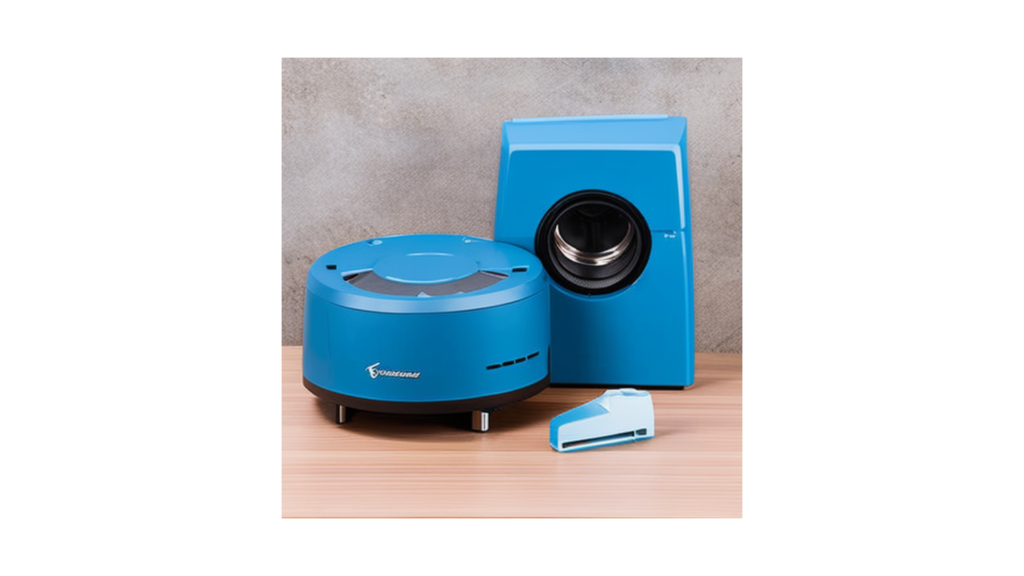
Blow molding has made it possible to create reservoirs for appliances that contain fluids for washing clothes and dishes. These parts are essential in helping appliances perform their intended function. Blow molding enables the creation of customized shapes and sizes, making it an ideal process for the appliance industry.
#3 Medical Supplies and Parts
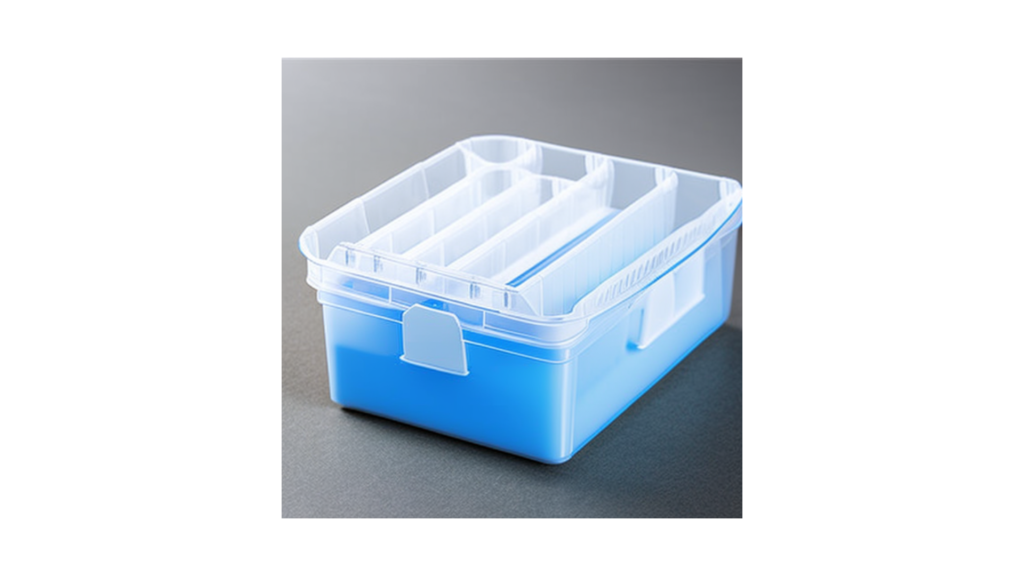
The healthcare industry has greatly benefited from the use of blow molding. The creation of hollow containers like spray bottles, water bottles, and storage containers has made storing and dispensing medical supplies easier. The process also allows for the creation of complex shapes and sizes required for various medical procedures.
#4 Children’s Toys
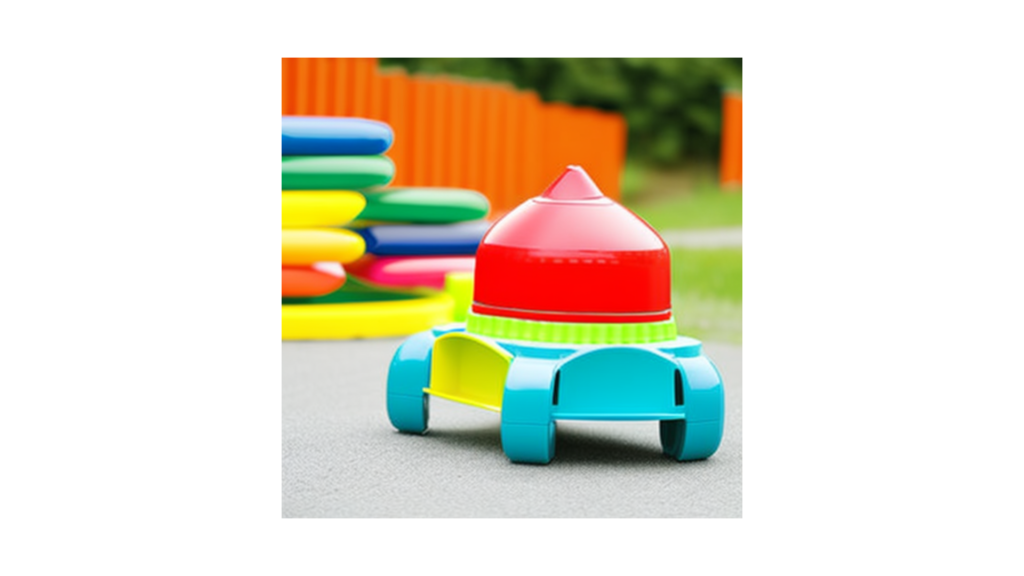
Blow molding has made it possible to create numerous hollow lightweight toys for children, such as blocks and squeeze toys. The process enables the creation of unique shapes and designs that appeal to children.
#5 Lawn and Garden Items
Bottles for liquid products and fuel tanks for mowers and power equipment are commonly made using blow molding. The process enables the creation of lightweight, durable products that withstand harsh outdoor conditions.
#6 Marine Industry
Creating buoyant products like reservoirs and buoys is essential in the marine industry. Blow molding makes it easy to create lightweight, hollow products that can float in water.

#7 Customized Packaging
Blow molding has made it possible to create customized packaging that keeps products safe during shipping. Polystyrene is a common material used in blow molding for packaging. The process enables the creation of hard-to-create shapes required for specific packaging needs.
#8 Sporting Goods
Blow molding also creates hollow equipment in the sporting goods industry, such as plastic bats and balls. The process enables the creation of lightweight products that are both durable and functional.

#9 Industrial Bulk Containers
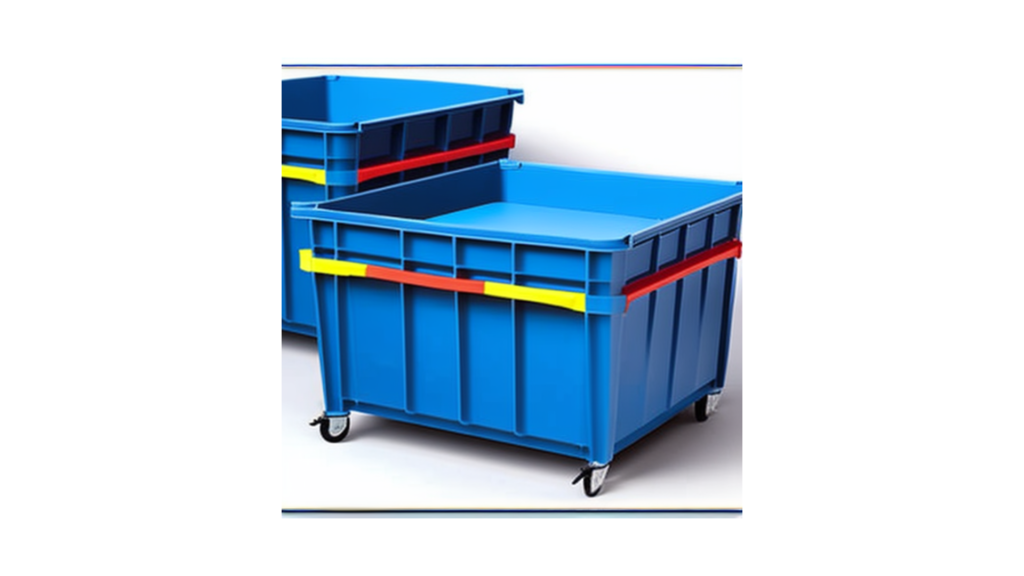
Large fluid containers like barrels for transporting and storing water, oil, or other liquids are commonly made using blow molding. The process enables the creation of lightweight products that hold large volumes of liquids.
Should Your Next Product Incorporate in Molding process?
Each class is best suited for specific products and parts.
Injection Blow Molding is ideal for making smaller bottles with high production volumes, such as those used in the pharmaceutical industry, medical industry, and cosmetic or other consumer product packages. Injection Stretch Blow Molding is commonly used for products made from Polyethylene Terephthalate (PET), as it enhances their physical properties, making them stronger and more durable.
The Best Polymers for Blow Molding Products, the list of resins used for extensive, with each resin best suited for specific products.